Wrongful Termination Claims: Key Factors for Solar Sales and Lending Employees
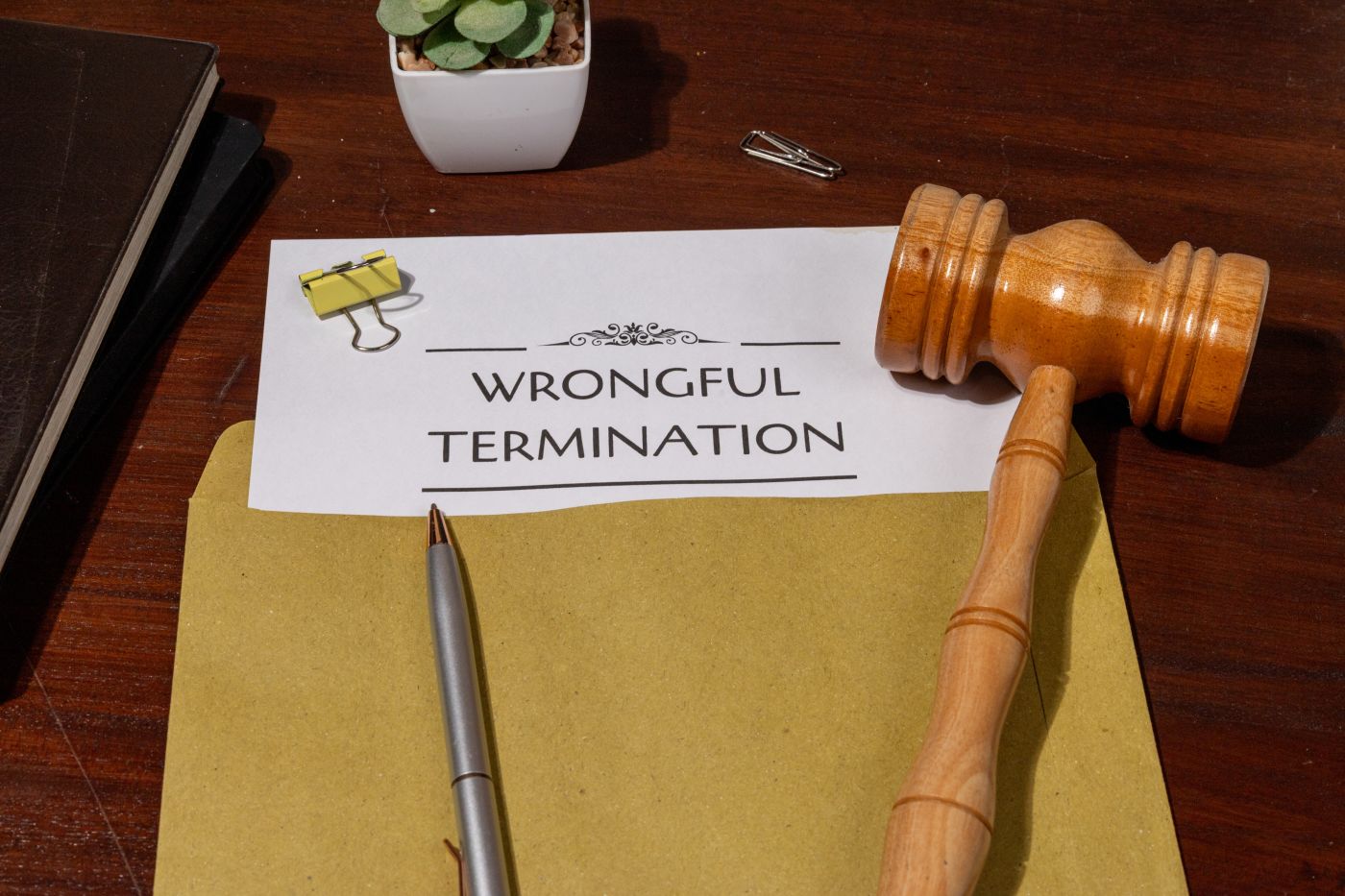
You were handed a script promising homeowners that solar panels would erase their power bill, or told to rush them through loan paperwork on a tablet. You pushed back, and soon afterward you were out of a job; whether that firing was illegal depends on the reason, not on whether it was fair.
Most American jobs are "at will," so an employer can usually fire someone without cause. Still, it generally cannot fire an employee for refusing to break the law or for reporting certain misconduct. In Mississippi, that protection is narrow and typically covers only conduct that is actually criminal, so what you refused or reported matters a great deal.
Based in Madison, Mississippi, and serving clients across the United States, The Law Office of Macy D. Hanson, PLLC represents employees in disputes with their former employers and homeowners in lawsuits against solar panel companies and their lenders. If a solar company or lender let you go after you objected to how systems or loans were sold, set up a free consultation. Attorney Macy D. Hanson can clarify which claims may apply and which deadlines are already running.
A termination becomes legally wrongful only when the real reason for it violates a statute, a contract, or a recognized public policy. Being fired abruptly or by a manager you clashed with is not enough on its own.
Common grounds include discrimination based on a protected trait such as race, sex, age, or disability; retaliation for legally protected activity; breach of a contract limiting when you can be fired; and Mississippi's narrow public policy exception. Employers rarely admit an unlawful motive, so these cases often hinge on showing that the stated reason, such as "missed quotas," does not fit the timeline.
In McArn v. Allied Bruce-Terminix Co. (1993), the Mississippi Supreme Court held that an at-will employee may sue if fired for refusing to participate in an illegal act or for reporting the employer's illegal acts to the employer or anyone else. The case itself involved an employee who claimed he was fired over refusing to carry out or report deceptive practices aimed at the company's own customers, a pattern familiar to anyone who has worked in door-to-door solar sales.
The exception has real limits. Courts applying Mississippi law have required that the conduct be actually illegal, and generally criminal rather than merely subject to civil penalties.
A sincere but mistaken belief is not enough. In practice, refusing to sign a homeowner's name to loan documents or to falsify income information on a credit application may fall within the exception, while objecting to an aggressive but technically accurate pitch likely would not.
Because many solar systems are sold with financing, federal law adds another layer of protection. Under the Consumer Financial Protection Act's whistleblower provision, a covered employer cannot fire a worker performing tasks related to offering or providing a consumer financial product or service for reporting suspected violations of federal consumer financial law, or for objecting to or refusing to participate in conduct the worker reasonably believed was unlawful—that "reasonable belief" standard is broader than Mississippi's illegal-acts rule.
The deadline is short. A complaint generally must be filed with the U.S. Department of Labor within 180 days after the retaliation occurs. Whether a particular installer qualifies as a covered employer depends on its role in arranging the loan, and because several deadlines can overlap, an employment law review soon after a firing helps preserve options that otherwise disappear quietly.
These claims turn on proof connecting what you did to why you were fired. Helpful evidence includes texts or emails showing what you were told to say or do, records of when and to whom you raised concerns, performance reviews from before and after your objection, and the reason the company gave for letting you go.
Close timing between a complaint and a firing can be meaningful, though it rarely decides a case alone. Two cautions apply. Copying company files or customer data on your way out can create its own problems, so get guidance first. Severance agreements often include a release of legal claims, so signing one may waive rights you didn't know you had.
What you witnessed inside a solar company may also matter to homeowners who were misled about tax credits, energy savings, or loan terms. Their claims are separate from yours, but the same sales practices can sit at the center of both. Recognizing that overlap early can shape how you preserve evidence and respond if you are later contacted as a witness.
Whether your firing counts as wrongful depends on the questions covered above: whether what you refused or reported crossed into criminal conduct under Mississippi's illegal-acts exception, whether federal consumer financial law protected your objection, and whether the 180-day federal complaint window has already started. Those questions are far easier to answer before you sign a severance release or lose access to the messages that show your timeline.
Attorney Macy D. Hanson founded the firm in Madison, Mississippi, in 2013 and has more than a decade of litigation experience in state and federal courts and arbitrations across numerous states, including class actions. His practice covers employment litigation on behalf of workers, lender liability and fraud claims against banks and lenders, and lawsuits for consumers harmed by deceptive in-home sales companies. Attorney Hanson is also a member of the National Association of Consumer Advocates.
That mix matters in solar cases, where the sales practices behind your termination may also sit at the center of homeowners' claims against solar companies and their lenders. The firm serves clients across the United States and offers free consultations. If you were let go after refusing to mislead customers or questioning how solar loans were sold, talk with the Madison, Mississippi, employment law attorney about your evidence and deadlines.